How to Report a Pothole or Streetlight Fault to Your Council (and Track the Repair)
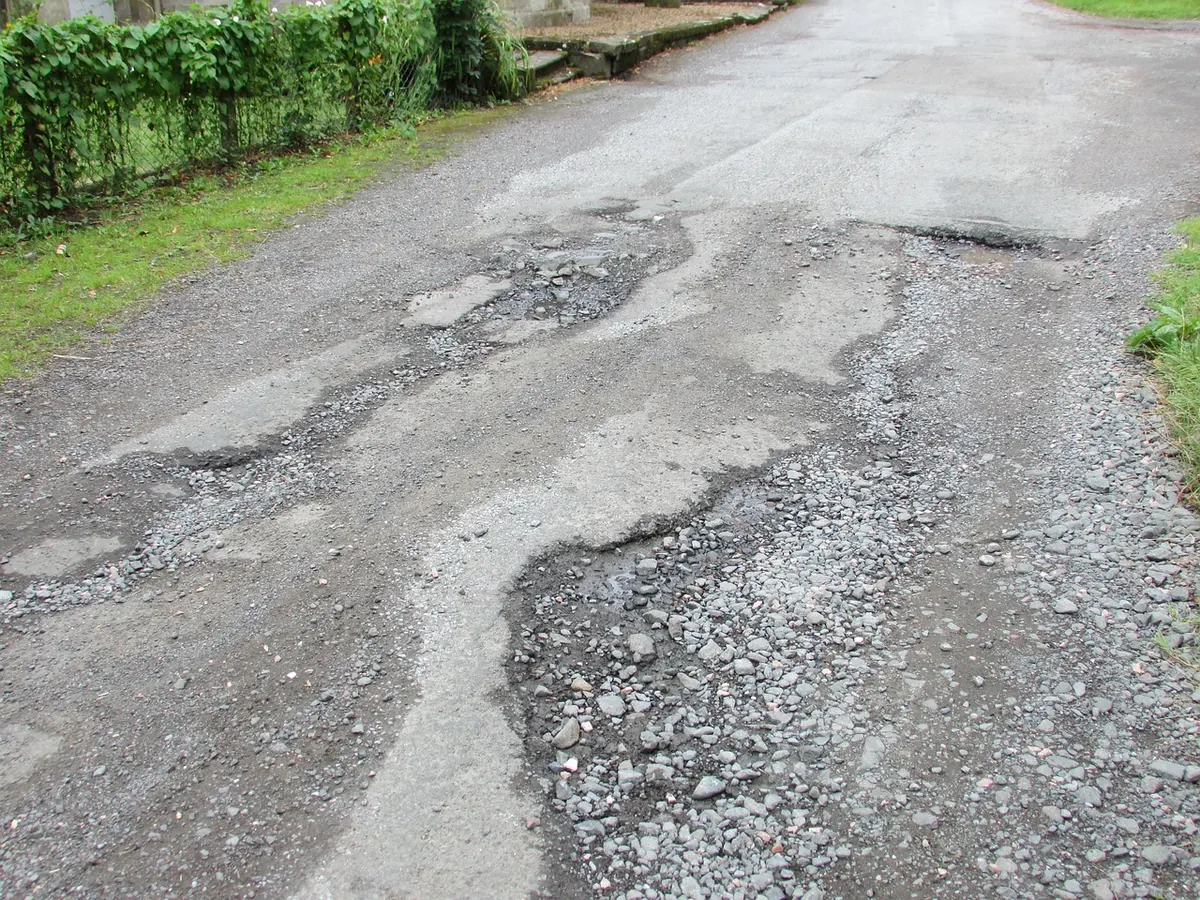
A pothole deep enough to jolt your suspension, a streetlight that has been dark for three weeks, a kerb that crumbles every time a lorry clips it — these are the small failures that make a street feel forgotten. Reporting them properly takes about ten minutes. The reports that get fixed quickest are the ones that land with clear evidence and a reference number attached. Here is how to do that, and how to follow it up without shouting into the void.
First, work out who owns the problem
Most potholes and streetlight faults on public roads belong to the local highway authority. In England that is usually a county council, a unitary authority or a London borough; in Scotland, Wales and Northern Ireland the names differ, but the principle holds — one department, or its contractor, maintains the road and the lighting.
Not every road is theirs. Motorways and major A roads in England are managed by National Highways. Private roads, unadopted roads and roads on new estates that the developer has not yet handed over often fall outside the council's remit, and some streetlights on modern estates are maintained by a management company instead.
Worth knowing, too: many councils dim lights or switch some off overnight as deliberate policy. A whole street going dark at midnight and returning at dawn is probably intentional. A single column that has been out for a fortnight is not.
What to have ready before you report
Vague reports get parked. A few details turn yours into a job sheet.
- An exact location. House number, nearest junction and which side of the road. A what3words reference or map pin is better still.
- Direction and lane. A pothole on the inside lane heading north is not the same as one on a roundabout exit.
- Photographs. One close-up with something for scale — a shoe, a hand, a coin — and one wider shot showing landmarks.
- An honest description. "About the size of a dinner plate and deep enough to hold a puddle" beats a guess at millimetres.
- Hazard context. Is it on a blind bend, in a cycle lane, outside a school gate, in a bus stop bay? Say so. It affects the priority.
- For streetlights, the column number. Usually painted or fixed to the column at eye level. Without it, crews waste a visit.
How to report it
- Use the council's own form. Search the website for "report a pothole" or "report a streetlight fault". These generate a ticket and a reference number.
- Check for an app. Many councils have one, and it pins your location automatically.
- Phone the highways line if it is dangerous. A deep pothole in a live lane, a leaning column or a light fitting hanging on its cable needs a call, not a form.
- Email as a fallback. Attach your photos, give the location, and ask for a reference number in the first line.
- Treat social media as a nudge, not a report. It rarely creates a tracked job.
FixMyStreet, a long-running public site, sends reports to the right council and keeps them visible on a map. It is a useful backup when a council's own system is unusable, though the council form usually gives you a better paper trail.
When it is an emergency
Exposed wiring at the base of a column, a light head dangling over a pavement or a pothole that has already caused a crash should go to the council's out-of-hours emergency number. If someone is injured or there is immediate danger to life, call 999. Never touch exposed electrical equipment or try to move a damaged column yourself.
Streetlight faults: the details that get them fixed faster
Lighting contractors work from fault codes, so describe the symptom precisely. "Column 14 outside number 22 is out completely" is good. So is "flickering all night", "staying on during the day", "much dimmer than the others" or "the door panel at the base is open".
If several lights on the same street failed at once, say so. That usually points to a cable or supply fault rather than a single lamp, and it changes who is sent out and with what. If the column is leaning, cracked or has been struck by a vehicle, flag it as a safety issue and ring as well as filling in the form.
What happens next, and how to track it
Once your report is logged, the council grades it. Safety defects that could injure someone are made safe first, often within hours or a day or two. Routine defects wait longer — weeks, sometimes longer in a bad winter when crews are stretched. Ask what the target response time is for your report, and write it down.
Keep the reference number somewhere you will find it again: a note on your phone, an email to yourself, a photo of the confirmation screen. Most councils run an online tracker where you enter the reference and see the status. If there is no tracker, reply to the confirmation email and ask for an update.
If your vehicle has been damaged
Report the defect even if you have already driven past it — an unreported pothole is hard to claim against later. Photograph the damage, photograph the pothole on the same trip if you can, and keep every receipt and quote for repairs. Councils assess claims on whether they knew, or should reasonably have known, about the defect and had a fair chance to fix it. Time limits apply and the process is technical, so if the sum involved is significant it is worth taking proper advice before pursuing it.
If nothing happens
Wait until the target date has passed, then chase politely with your reference number. A short, factual email — location, reference, date reported, date promised — works far better than a frustrated one.
If that gets nowhere, contact your local councillor. They can raise a specific defect directly with highways officers, and a written query from an elected member tends to move things along. Beyond that, each nation has an ombudsman for local government services, and they will generally expect you to have exhausted the council's own complaints process first.
One more thing worth doing: if the same stretch of road breaks up every winter, keep reporting it. A pattern of repeated defects is the evidence a council needs to justify resurfacing rather than patching.
A five-minute routine that works
Report the fault the day you spot it, while the details are fresh. Use the council's own form, attach two photographs, note the reference and set a reminder for the target date. If it has not been fixed by then, chase once, then involve your councillor. Keep the whole exchange in one email thread so the history is there if you need it.
It is not glamorous work, and nobody should have to do it. But a clear, well-evidenced report is often the difference between a defect sitting on a list and a crew turning up with a lorry and a bucket of tarmac.
Photo: Kasman / Pixabay

Local Heritage Open Days: How to Make the Most of Them
Heritage open days throw the doors of normally private buildings open each September, free of charge. Here...

Starting a Market Stall: A Beginner's Guide to Local Markets and Fees
A practical guide to starting a market stall, covering pitch fees, licences, insurance, stock display and...
About Us